Choosing the Right Roofing Material for New Installation in Michigan's Climate
Michigan homeowners need to consider more than looks when choosing a new roof. Snow, ice, freezing temperatures, strong winds, summer heat, and repeated freeze-thaw cycles can all affect how a roof performs over time.
The best roofing material for Michigan homes depends on several factors, including your home's design, roof pitch, budget, expected lifespan, maintenance needs, and the type of weather your property regularly experiences.
Popular choices include asphalt shingles, metal roofing, synthetic slate, and cedar shakes. Each material has its own benefits and limitations. Understanding these differences can help you make a more confident decision before starting a new roof installation.
What Makes Michigan's Climate Challenging for Roofs?
Michigan experiences significant seasonal changes. A roof may face freezing temperatures and snow in winter, heavy rain and wind during storms, and hot, sunny conditions during summer.
Freeze-thaw cycles can be especially hard on roofing systems. Water can enter small gaps or weak areas, freeze, expand, and then melt again. Over time, repeated cycles can contribute to material wear and moisture problems.
Snow is another consideration. A roof must be designed and installed to handle the expected snow load for its location. Proper ventilation, underlayment, flashing, drainage, and ice protection are also important parts of a reliable roofing system.
This means choosing a roofing material is only one part of planning a new roof. The installation quality and complete roof assembly matter just as much.
What Is the Best Roofing Material for Michigan Homes?
There is no single roofing material that is perfect for every Michigan home. However, several options can perform well when selected and installed properly.
For many homeowners, architectural asphalt shingles offer a practical balance of cost, appearance, and durability. Metal roofing can be a strong choice for homeowners who want a longer service life and good snow-shedding performance. Synthetic slate can provide a premium appearance without the weight of natural slate.
The right choice depends on your home's specific needs.
Architectural Shingles: A Practical Choice
Architectural shingles are one of the most common options for residential roofing. They are made from asphalt and have a dimensional appearance that can provide more visual depth than traditional three-tab shingles.
One of their biggest advantages is versatility. Architectural shingles are available in many colors and styles, making it easier to match the roof with your home's exterior.
They are also generally more affordable than premium roofing materials such as metal or slate.
For homeowners looking for the best roofing material for Michigan homes without moving into a high-end price range, architectural shingles can be worth considering.
However, homeowners should look at the product's wind, impact, and weather ratings rather than choosing based on appearance alone. Proper installation and attic ventilation are also important for long-term performance.
Asphalt Shingles vs Metal Roof
When comparing asphalt shingles vs metal roof, the decision often comes down to budget, appearance, lifespan, and winter performance.
Asphalt shingles generally have a lower upfront cost and are familiar to most residential roofing contractors. They are also available in a wide range of styles.
Metal roofing typically costs more initially but can offer a longer service life. Its smooth surface can also help snow slide from the roof more easily than some shingle systems.
That does not mean metal roofing is automatically better for every home. Snow shedding must be considered carefully, particularly above entrances, walkways, and other areas where falling snow could create a safety concern.
Asphalt Shingles
Advantages include:
Lower initial cost
Wide range of colors and styles
Easy to match with many home designs
Straightforward replacement options
Good performance when properly installed
Metal Roofing
Advantages include:
Long service life
Strong resistance to many weather conditions
Excellent snow-shedding potential
Low routine maintenance
Modern and distinctive appearance
Your home's structure, roof design, local conditions, and long-term plans should all be considered before making the final decision.
Synthetic Slate Roofing
For homeowners who want the appearance of natural slate without choosing a traditional heavy slate roof, synthetic slate roofing can be an alternative.
Synthetic slate products are generally made from engineered materials designed to resemble natural slate. They can provide a high-end appearance while offering different installation and structural considerations than natural stone slate.
This option may be attractive for homeowners who care strongly about curb appeal and want something different from conventional asphalt shingles.
However, synthetic slate is generally a premium roofing choice. Product quality, installation requirements, warranty terms, and total project cost should all be reviewed before making a decision.
Cedar Shake Roof: What Should Homeowners Consider?
A cedar shake roof can give a home a natural and traditional appearance. Cedar is also known for its distinctive texture and character.
However, homeowners considering this option should look beyond the initial price. The cedar shake roof cost can vary considerably depending on the quality of the material, roof size, design complexity, installation requirements, and local labor costs.
Cedar also requires appropriate maintenance and care. Michigan's changing weather conditions should be considered when evaluating whether this material fits your property.
If you are considering cedar, ask a roofing professional about expected maintenance, lifespan, weather performance, and total ownership costs before choosing it for a new installation.
Consider Snow Load When Choosing a Roof
Snow accumulation is an important factor for Michigan homeowners. Snow load roofing Michigan considerations should include the roof's structure, pitch, materials, and local design requirements.
A properly designed roof should be able to handle the expected loads for its location. However, the roofing material itself is not the only factor.
The roof deck, framing, fasteners, underlayment, flashing, ventilation, and drainage system all contribute to overall performance.
A professional roofing assessment can help determine whether your home's existing structure is suitable for the roofing material you are considering.
Don't Ignore Ice Dams
Ice dams can form when snow melts on warmer parts of a roof and then refreezes near colder roof edges. The resulting ice can prevent water from draining properly.
Good attic insulation and ventilation can help manage temperature differences within the roof assembly. Ice-and-water protection at vulnerable areas can also provide an additional layer of protection.
This is why a new roof should be treated as a complete system rather than simply a layer of shingles or panels.
Which Roofing Material Fits Your Budget?
Budget is naturally an important part of any new roof installation.
A lower upfront cost does not necessarily mean a lower total cost over the life of the roof. A more expensive material may offer a longer service life, while a lower-cost option may be easier to replace or repair.
When comparing options, consider:
Initial installation cost
Expected service life
Maintenance requirements
Weather resistance
Warranty coverage
Energy considerations
Repair and replacement costs
Appearance and property value
Getting a professional estimate for each suitable option can make the comparison much clearer.
Why Professional Installation Matters
Even a high-quality roofing material can perform poorly if it is installed incorrectly.
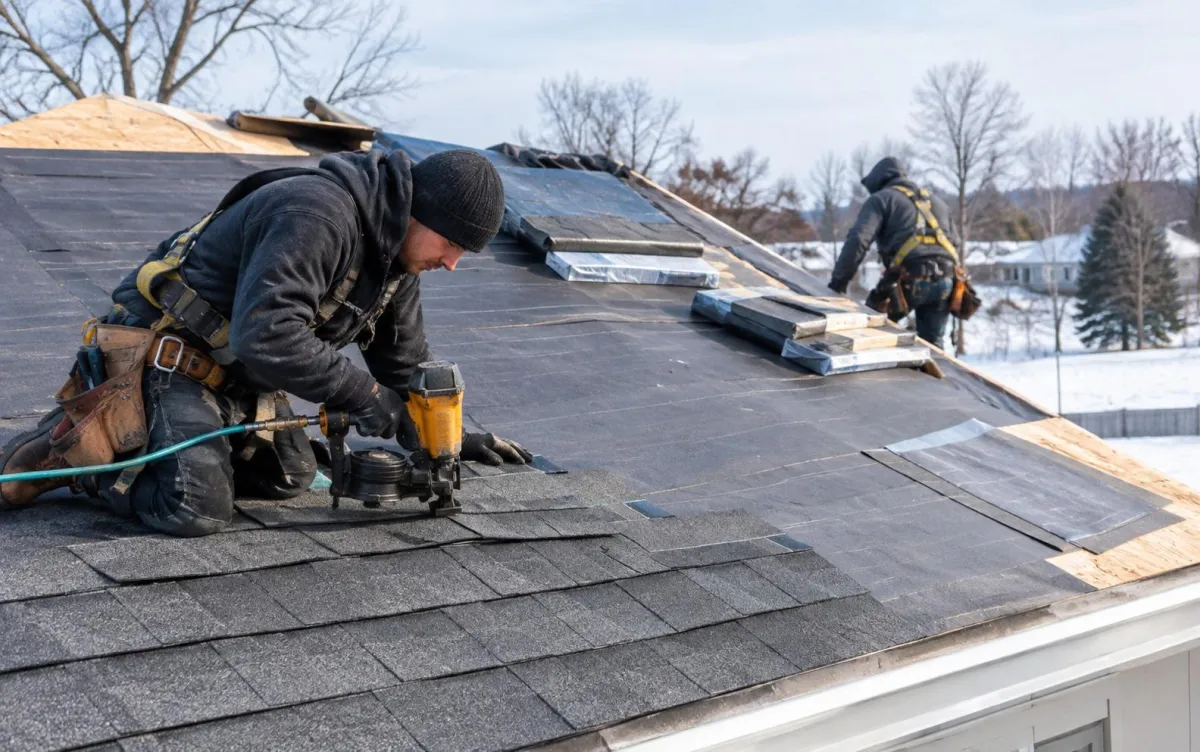
Professional installation helps ensure that important components such as flashing, underlayment, ventilation, fasteners, valleys, and roof edges are handled correctly.
The roof should also be inspected before installation begins. Problems with the roof deck, ventilation, or structure may need to be addressed before the new roofing material is installed.
A professional assessment can help prevent homeowners from choosing a material that does not suit the property's structure or design.
How to Choose the Right Roofing Material
Before making your final decision, ask these questions:
What is my budget?
Determine both your available installation budget and how much you are comfortable spending over the long term.
How long do I plan to stay in the home?
If you plan to stay for many years, investing in a longer-lasting roofing system may make more sense.
What type of weather does my home experience?
Consider snow, ice, wind, hail, rain, and summer heat when comparing materials.
What style fits my home?
The roof makes up a significant part of your home's exterior. Choose a material and color that complement the architecture.
Does my home need structural evaluation?
Some roofing materials are significantly heavier than others. A professional should determine whether the existing structure can support the selected system.
Get Professional Advice Before Installing Your New Roof
Choosing the best roofing material for Michigan homes should not be based on price or appearance alone. Your home's structure, local weather, roof design, material performance, installation requirements, and long-term plans all matter.
A professional roofing contractor can inspect your property, discuss your options, and help you understand the advantages and limitations of different materials before work begins.
Why Choose Rochester Hills Roofing?
Rochester Hills Roofing provides residential and commercial roofing services in Rochester Hills, Michigan, including roof installation, replacement, renovation, commercial roofing, and free inspections. The company states that it has more than 70 years of roofing experience and offers licensed and insured professionals, transparent pricing, and end-to-end project management.
If you're planning a new roof and are unsure which material is right for your home, a professional inspection can help you make the decision with greater confidence.
Frequently Asked Questions
What is the best roofing material for Michigan homes?
The best option depends on the home's structure, budget, roof design, and exposure to snow, ice, wind, and other weather. Architectural shingles and metal roofing are two popular options, while synthetic slate and cedar can suit homeowners looking for specific appearance or performance features.
Are metal roofs good for Michigan winters?
Metal roofs can perform well in Michigan winters and can shed snow effectively. However, the complete roof system, installation quality, roof design, and snow-safety considerations should all be evaluated.
Are architectural shingles good for Michigan weather?
Yes. Quality architectural shingles can be a practical choice for Michigan homes when they are properly selected and installed with suitable underlayment, flashing, ventilation, and other roof-system components.
What is better, asphalt shingles or a metal roof?
The choice between asphalt shingles and metal roofing depends on your budget, desired lifespan, appearance, maintenance preferences, and home's design. A professional roofing assessment can help determine which option fits your property.
How does snow load affect roofing in Michigan?
Snow adds weight to a roof, so the structure and roofing system must be designed for the expected conditions in the area. Roof pitch, structural design, material selection, and installation all play a role.
Is synthetic slate suitable for Michigan homes?
Synthetic slate can be suitable for Michigan homes when the product is appropriate for the application and professionally installed. Homeowners should compare its cost, durability, appearance, warranty, and installation requirements before choosing it.
How much does a cedar shake roof cost?
The cost of a cedar shake roof varies based on roof size, material quality, roof complexity, labor, and installation requirements. A professional estimate is the best way to determine the actual project cost.
Should I get a roof inspection before choosing a material?
Yes. An inspection can identify issues with the roof deck, structure, ventilation, flashing, and other components that may affect which roofing material is suitable for your home.