How to Choose Shingle Colors for Brick, Siding, and Stone Homes
Choosing a roof color is one of the most important decisions you can make when updating your home's exterior. Your roof covers a large portion of the house, so its color can influence how your brick, vinyl siding, stone accents, trim, shutters, and front door look together. The right combination creates a balanced appearance, while the wrong shade can make otherwise attractive exterior materials seem mismatched.
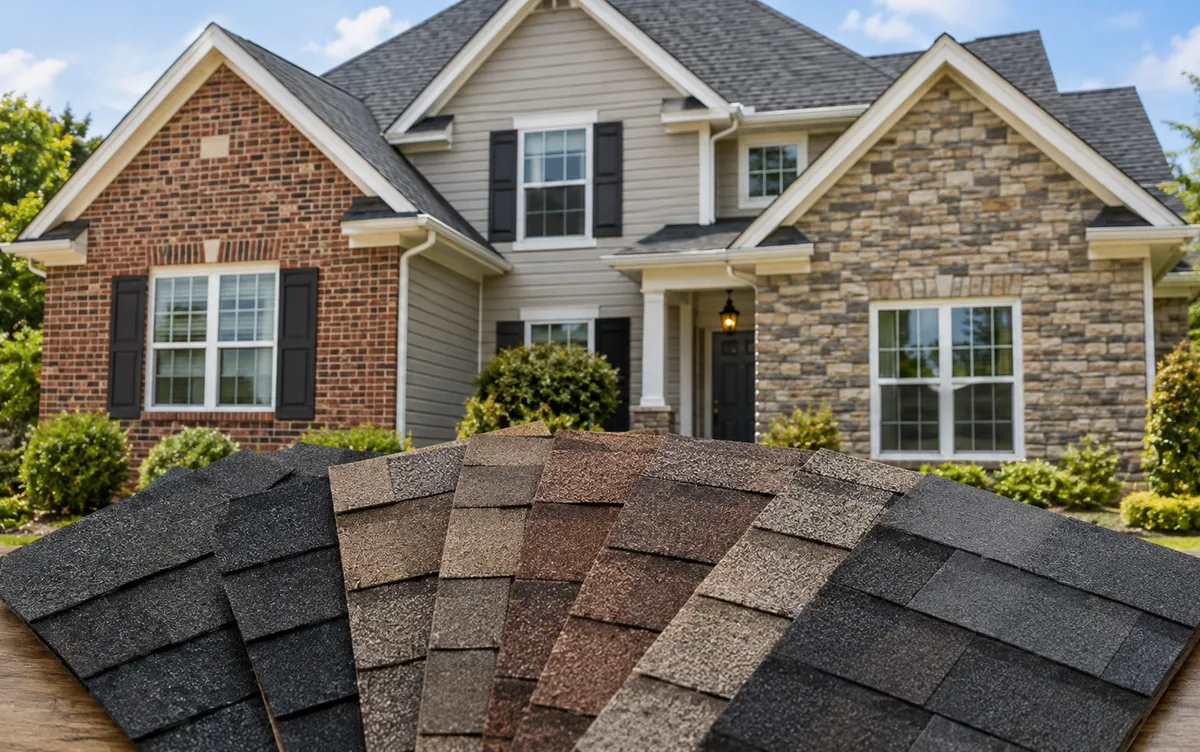
If you are searching for the Best Roof Color for Brick House designs, the answer depends on your home's existing colors, architectural style, surroundings, and personal preferences. A warm red-brick home may look beautiful with a charcoal or weathered-brown roof, while a light-colored brick exterior may work better with gray, black, or complementary brown shingles.
Michigan homeowners also need to consider seasonal weather, summer heat absorption, winter conditions, neighborhood requirements, and long-term maintenance when selecting shingles.
This guide explains how to coordinate roof colors with brick, vinyl siding, stone, and trim, compare popular shingle shades, and make a confident decision before investing in a roof replacement.
Why Roof Color Matters for Your Home's Exterior
Your roof is more than a protective covering. Its color helps establish the overall appearance of your property and can either complement or compete with your existing exterior materials.
A well-coordinated roof color can make architectural details stand out, create visual balance, and give an older home a more updated appearance. It can also influence how prospective buyers perceive the property, although roof color alone cannot guarantee a higher resale price.
Before choosing shingles, evaluate three important factors:
Undertones: Determine whether your brick, siding, or stone has warm undertones, such as red, orange, beige, and brown, or cool undertones, such as blue, gray, and certain whites.
Contrast: Decide whether you prefer a roof that blends into the exterior or creates a noticeable contrast.
Architectural style: Traditional homes, contemporary properties, and homes with rustic stone accents may each benefit from different color combinations.
The goal is to select a roof color that complements the permanent features of your home instead of matching every exterior element exactly.
Best Roof Color for Brick House Styles
Brick is available in many colors, including red, orange, brown, cream, tan, and gray. Because brick often contains several shades within the same wall, identifying its dominant color and undertones is the first step in choosing complementary shingles.
Red Brick Homes
Red brick is a classic exterior material found throughout Michigan. Its natural variations may include orange, brown, burgundy, and charcoal tones.
Popular roof color choices include:
Charcoal gray: Creates a crisp contrast against red brick and works well with white, black, or gray trim.
Weathered brown: Complements the earthy tones in traditional brick and creates a warm, established appearance.
Black: Produces a bold, defined roofline, particularly when paired with light-colored trim.
Dark gray: Offers a balanced alternative to pure black while maintaining a traditional appearance.
For many red-brick homes, charcoal gray is a versatile starting point. However, check the brick's undertones before making a final selection. Brick with strong orange or brown tones may coordinate more naturally with warmer gray-brown shingles than with a distinctly blue-gray roof.
Brown and Tan Brick Homes
Brown and tan brick typically works well with natural, earthy roof colors. Consider weathered wood, medium brown, dark bronze, or warm charcoal shingles.
A medium-brown roof can create a cohesive appearance when the brick contains similar tones. Dark charcoal can provide stronger contrast, especially if the home has cream trim, white windows, or a lighter garage door.
Avoid choosing a roof shade solely because it matches the brick's dominant color. Look at the smaller color variations in the masonry and consider how the roof will appear against the entire exterior.
White, Cream, and Light Brick Homes
Light-colored brick provides flexibility when selecting roofing materials. Dark charcoal and black shingles can create a dramatic contrast, while medium gray and brown shingles offer a softer transition.
For a contemporary look, consider charcoal shingles with black window frames and simple trim. For a traditional appearance, medium brown or weathered gray may complement cream brick and warm-colored doors.
Practical tip: Examine the brick in natural daylight. Artificial lighting and online photographs can make warm brick appear cooler or light brick appear more yellow than it does outdoors.
Choosing Shingle Colors for Vinyl Siding
Vinyl siding is available in a wide range of colors, making it important to consider the siding, roof, trim, and other exterior features together.
White and Light Gray Siding
White siding pairs well with charcoal, black, medium gray, and weathered-brown shingles. Darker roofs provide contrast and can help define the roofline.
Light gray siding works especially well with charcoal and medium-gray shingles. For a warmer exterior, consider brown shingles if the siding has beige or taupe undertones.
Beige, Cream, and Tan Siding
Warm siding colors generally coordinate well with brown, bronze, weathered wood, and warm gray roofing.
If your home has cream siding and white trim, a medium-to-dark brown roof can create a traditional appearance. Charcoal is another option when you want a more defined contrast.
Blue and Green Siding
Blue siding often pairs well with charcoal, dark gray, and black shingles. Lighter blue exteriors can also work with medium-gray roofing when the trim and other accents create a cohesive palette.
Green siding can complement brown, weathered wood, and certain charcoal shades. For sage-green siding, consider muted gray-brown shingles that reinforce the natural appearance of the exterior.
Before selecting a color, compare the roof sample against the actual siding rather than relying exclusively on a manufacturer's color chart.
Best Roof Colors for Stone Homes
Stone exteriors can contain a complex mixture of gray, beige, cream, brown, and rust-colored details. The best shingle color usually complements one or two of the stone's prominent tones without competing with its natural variation.
Gray and Blue-Gray Stone
Charcoal, slate gray, black, and cool medium-gray shingles can complement gray stone.
If the stone contains noticeable blue-gray undertones, a cooler roof color may produce a coordinated appearance. However, if the stone also includes warm beige or brown pieces, consider a neutral charcoal rather than a strongly blue-gray shade.
Beige and Cream Stone
Warm gray, brown, bronze, and weathered wood shingles can complement beige and cream stone. These colors create a natural transition between the roof and the lighter masonry.
For homes with cream stone and dark window frames, charcoal shingles can add contrast while keeping the overall exterior balanced.
Mixed-Color Stone
When stone contains multiple colors, identify the shade that appears most consistently and use it as a starting point for your roof selection.
For example, stone containing gray, tan, and brown may pair well with neutral charcoal or weathered brown. Avoid trying to match every color in the stone individually. A roof that complements the overall palette usually looks more cohesive.
How to Match Roof Colors With Trim, Shutters, and Doors
Your roof should coordinate with the home's complete exterior, not just its primary wall material.
Consider these combinations when planning your shingle color selection:
Exterior combination | Roof colors to consider | Overall appearance |
|---|---|---|
Red brick with white trim | Charcoal or dark gray | Classic and defined |
Red brick with cream trim | Weathered brown or warm charcoal | Traditional and warm |
White siding with black windows | Black or charcoal | Modern and high contrast |
Beige siding with brown accents | Brown or bronze | Natural and coordinated |
Gray stone with white trim | Slate gray or charcoal | Clean and balanced |
Sage-green siding with cream trim | Weathered brown or neutral gray | Soft and natural |
Cream brick with dark shutters | Charcoal or medium brown | Traditional with contrast |
These are starting points rather than fixed rules. The exact shade of the siding, brick, stone, and trim can change which roofing color looks best.
If your front door or shutters have a strong accent color, avoid introducing too many competing shades. A neutral roof can help the architectural details remain the focal point.
Dark vs. Light Roof: Which Is Better in Michigan?
The choice between a dark and light roof involves appearance, energy considerations, and the surrounding environment.
Advantages of Dark Roof Shingles
Dark shingles, including black and charcoal, are popular because they create a defined roofline and complement many traditional and contemporary exterior styles.
Potential advantages include:
Strong contrast with white, cream, and light-colored siding.
A classic appearance that works with many brick colors.
Broad compatibility with black, white, and neutral exterior accents.
However, dark roofing materials generally absorb more solar energy than comparable lighter-colored materials under similar conditions. This can increase roof surface temperatures when exposed to sunlight.
Advantages of Light Roof Shingles
Lighter-colored shingles may reflect more sunlight than darker shingles, depending on the product's reflective properties and construction.
Potential advantages include:
A softer appearance against light-colored exteriors.
Less solar absorption in some roof assemblies.
Useful options for homeowners prioritizing reflective roofing materials.
A light roof is not automatically more energy-efficient in every situation. Insulation, ventilation, roof construction, attic conditions, and the specific roofing product all influence indoor comfort and energy use.
What Michigan Homeowners Should Consider
Michigan experiences cold winters, warm summers, snow, and changing seasonal conditions. Roof color should therefore be considered alongside the roofing system's overall performance.
Dark shingles may absorb more solar energy during sunny weather, while lighter shingles may reflect more of it. However, roof color alone does not determine how well a roof handles snow, ice, moisture, or temperature changes.
Proper attic insulation, ventilation, flashing, drainage, and installation quality are essential considerations regardless of the shingle color.
When comparing products, review the manufacturer's specifications and ask your roofing contractor whether reflective or cool-roof options are appropriate for your home.
Roof Color and Home Resale Value
Roof color can influence curb appeal, which is one factor prospective buyers notice when evaluating a property. A coordinated exterior can make a home look well maintained and visually appealing.
Neutral colors such as charcoal, gray, brown, and weathered wood are common choices because they complement many exterior materials. They may also appeal to buyers who prefer a roof that works with different paint colors and landscaping styles.
When evaluating roof color and home resale, consider the following:
Neighborhood consistency: A roof that complements nearby homes can help maintain a cohesive streetscape.
Exterior condition: Damaged shingles, visible discoloration, and poor installation can undermine curb appeal regardless of color.
Long-term flexibility: Neutral roof colors can make future siding, trim, or shutter updates easier.
Architectural character: A roof should suit the home's design rather than follow a trend that conflicts with its existing features.
There is no universally best roof color for resale. Choose a shade that complements the property, suits the neighborhood, and aligns with the preferences of likely buyers in your local market.
How to Choose a Roof Color if Your HOA Has Restrictions
Some homeowners associations establish guidelines for roof colors, materials, or exterior changes. Before ordering shingles, review your HOA's current rules and approval process.
Check whether the guidelines specify approved colors, acceptable roofing materials, restrictions on reflective finishes, or requirements for submitting samples.
If your HOA limits your choices, narrow your options to approved colors that complement your brick, siding, stone, and trim.
For example, if black shingles are not permitted, charcoal or dark gray may provide a similar contrast while meeting the guidelines. If only earth-tone shingles are allowed, consider weathered brown or bronze options that complement the home's existing exterior.
Request written approval when required and retain any confirmation for your records. Do not assume that a color is permitted simply because a neighboring property uses it.
How to Use a Roof Color Visualizer Before Buying
A roof color visualizer can help you compare different shingle shades without committing to a final selection. Some manufacturers and roofing suppliers provide online tools that allow homeowners to upload a house photograph or view sample combinations.
For the most useful comparison:
Choose a clear photograph of your home taken in natural daylight.
Test several options, such as charcoal, medium gray, weathered brown, and black.
Compare each roof color against the brick, siding, stone, trim, shutters, and garage door.
Review how each combination looks from the street rather than focusing only on a close-up roof sample.
Request physical shingle samples before making a final decision.
Remember that digital displays can change how colors appear. A color visualizer is a helpful planning tool, but it cannot perfectly reproduce the appearance of installed shingles under every lighting condition.
Whenever possible, compare physical samples outdoors and view them at different times of day.
Architectural Shingles vs. Designer Shingles: Does Color Matter?
Shingle style can influence how a roof color appears after installation. Architectural shingles generally have a dimensional appearance, while designer shingles may offer distinctive patterns, textures, or premium visual effects.
A charcoal architectural shingle may create a relatively consistent roofline, while a multitone designer shingle may introduce additional shades that interact with brick, siding, and stone.
Before making a final selection, compare both the color and the shingle design.
Read our related guide on architectural vs. designer shingles to understand the differences in appearance, construction, and available styles. This can help you choose a product that fits your exterior design goals and budget.
Final Checklist for Choosing the Right Roof Color
Before approving your new shingles, review this checklist:
Identify the dominant colors and undertones in your brick, siding, or stone.
Compare roof samples against your trim, shutters, windows, and front door.
Decide whether you prefer a high-contrast or blended appearance.
Consider Michigan's seasonal climate and the product's reflective properties.
Review HOA rules and neighborhood requirements.
Use a roof color visualizer to compare several combinations.
Check physical shingle samples in natural daylight.
Compare product warranties, installation requirements, and overall project costs.
Consult a qualified roofing contractor before making your final decision.
Taking time to evaluate these details can help you avoid an expensive color mismatch and achieve a more cohesive exterior.
Choose a Roof Color That Complements Your Home
The best roof color is one that works with your home's permanent exterior features, architectural style, and practical requirements. Charcoal and dark gray can complement many red-brick homes, while weathered brown and bronze may work especially well with warmer stone and siding colors. Light-colored exteriors generally offer more flexibility, but the right choice depends on the exact combination of shades.
If you are planning a roof replacement in Rochester Hills or elsewhere in Oakland County, compare samples carefully and discuss your options with an experienced roofing professional. A well-planned color selection, combined with quality materials and proper installation, can improve your home's appearance while providing dependable protection for years to come.
Frequently Asked Questions
What is the best roof color for a brick house?
Charcoal gray, dark gray, weathered brown, and black are popular roof colors for brick houses. The best choice depends on the brick's undertones, trim color, architectural style, and the contrast you want to create. Charcoal often complements red brick, while weathered brown can work well with warmer brown and tan brick.
What color shingles look best with red brick?
Charcoal gray, dark gray, black, and weathered brown shingles can complement red brick. Charcoal creates a defined contrast, while brown shingles emphasize the warm tones in the brick. Compare samples with your home's trim, shutters, and other exterior features before choosing.
Should my roof be lighter or darker than my house?
A darker roof can create contrast against light siding, cream brick, and white trim. A lighter or medium-tone roof may create a softer appearance and complement lighter exterior materials. Neither option is universally better; the right choice depends on your home's color palette and architectural style.
Do dark roof shingles make a house hotter in Michigan?
Dark shingles generally absorb more solar energy than comparable light-colored shingles under similar conditions. However, indoor temperatures and energy use also depend on attic insulation, ventilation, roofing materials, and the overall roof assembly. Michigan homeowners should consider these factors alongside appearance when choosing shingles.
What roof color is best for a house with vinyl siding?
The best roof color depends on the siding shade. White siding pairs well with charcoal, black, and gray shingles, while beige and tan siding often complement brown, bronze, and warm gray. Blue siding commonly works with charcoal or dark gray, and sage-green siding can look attractive with weathered brown or neutral gray shingles.
Does roof color affect home resale value?
Roof color can influence curb appeal and buyers' first impressions, but no particular color guarantees a higher resale value. Neutral shades such as charcoal, gray, brown, and weathered wood can complement a wide range of exterior styles. A well-maintained roof and quality installation are also important considerations.
How do I choose a roof color that complements stone?
Identify the dominant colors and undertones in your stonework. Gray stone often pairs well with charcoal or slate gray shingles, while beige and cream stone can complement brown, bronze, and warm gray. For multicolored stone, choose a neutral roof shade that coordinates with the overall exterior rather than matching every stone individually.
Can my HOA restrict my roof shingle color?
Yes. Some homeowners associations have rules governing roofing colors, materials, and exterior modifications. Review your HOA's current guidelines and obtain any required approval before ordering shingles. Choosing from approved colors can help prevent delays and avoid the expense of correcting an unapproved selection.
Is a roof color visualizer accurate?
A roof color visualizer is useful for comparing different shingle colors against a photograph of your home. However, screen settings, lighting, and image quality can affect how colors appear. For a more reliable comparison, review physical shingle samples outdoors in natural daylight before making your final decision.
Should I match my roof color to my brick or my trim?
Your roof should coordinate with both, but you do not need to match either one exactly. Start with the dominant colors and undertones of your brick or siding, then compare the roof against your trim, shutters, windows, and front door. A balanced combination usually looks more cohesive than matching every element to the same shade.
Which roof colors are most versatile for different home exteriors?
Charcoal gray, medium gray, weathered brown, and neutral brown are versatile choices for many brick, siding, and stone homes. The best option depends on the exterior's undertones, the home's architectural style, and neighborhood requirements. Compare several shades before selecting the one that complem