Roof Overlay vs Tear Off: Which Is Right for Your Michigan Home?
When it is time for a new roof, one of the first decisions is what happens to the old one. Some contractors suggest installing new shingles right over the existing layer. Others insist on stripping everything down to the deck.
The price difference can be tempting. But the cheaper option upfront is not always the better value over the life of the roof.
The roof overlay vs tear off decision depends on how many layers you already have, the condition of the decking, local code, warranty terms, and how Michigan winters treat your roof edges.
This guide explains how each method works, when an overlay may be allowed, why many Michigan homeowners choose a full tear-off, and which questions to ask before you sign an estimate.
What Is the Difference Between a Roof Overlay vs Tear Off?
A roof overlay (also called a re-cover or layover) installs a new layer of shingles directly over the existing shingles. A full tear-off removes all existing roofing down to the wood deck, so the crew can inspect and repair the deck and install new underlayment, ice-and-water shield, flashing and shingles.
In short, an overlay adds a layer. A tear-off starts over.
Neither option is automatically wrong. An overlay can be acceptable in limited situations, while a tear-off is the more thorough approach in most re-roofing projects.
How a Roof Overlay Works
With an overlay, the existing shingles stay in place and act as the base for the new roof.
A typical overlay project includes:
Checking that the existing roof is flat enough to support a new layer
Repairing or flattening badly curled or lifted shingles
Adding new drip edge and replacing some flashing where possible
Nailing new shingles through the old layer into the deck
Installing new ridge cap and vents
Because the crew does not remove and haul away the old roofing, the job is usually faster and creates less debris.
How a Full Tear-Off Works
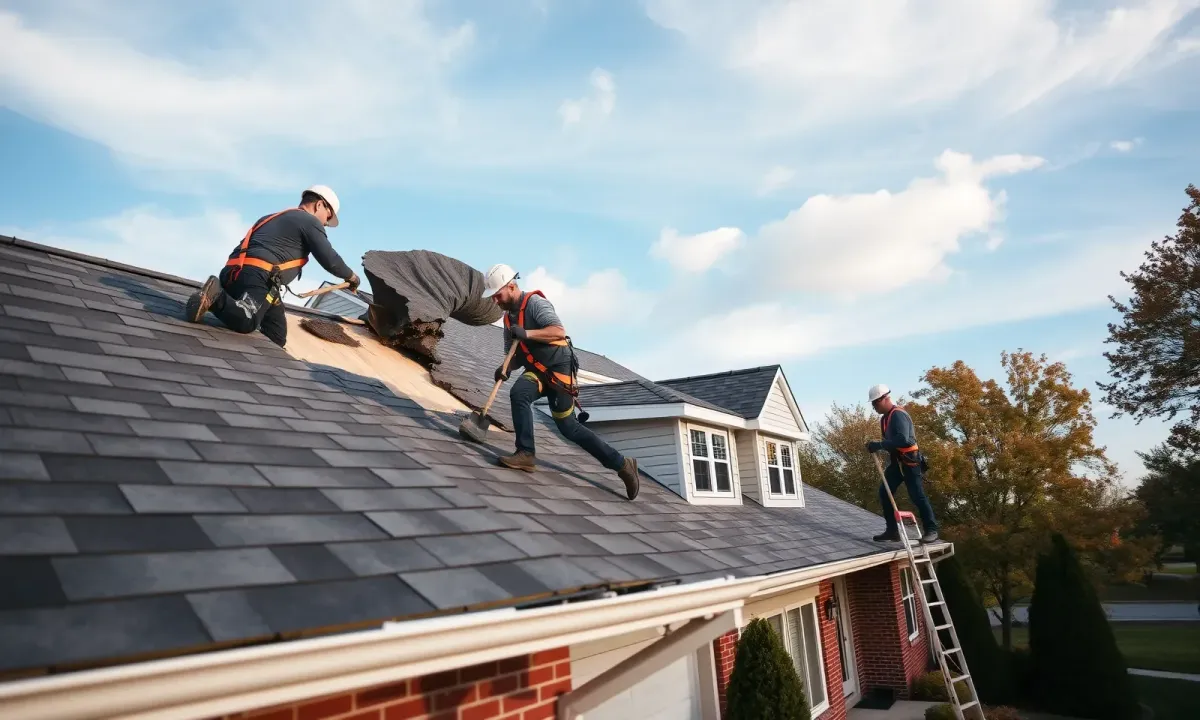
A tear-off removes the old roofing system completely before any new materials go down.
The main steps usually include:
Protecting landscaping, siding and driveways with tarps
Stripping shingles, underlayment and old nails down to the deck
Inspecting the decking and replacing soft, rotted or damaged sections
Installing ice-and-water shield along the eaves and in valleys
Installing synthetic underlayment, flashing and drip edge
Installing new shingles, ventilation and ridge cap
Cleaning up debris and checking the yard for stray nails
Our step-by-step guide to the roof installation process explains each of these stages in more detail.
When a Roof Overlay May Be an Option
An overlay is not always ruled out. It may be considered when several conditions line up.
There Is Only One Existing Layer
Many building codes based on the International Residential Code generally do not allow a new roof covering over two or more existing layers. Requirements can change, so check with the City of Rochester Hills or your local building department before planning an overlay.
The Existing Shingles Lie Flat
New shingles need a reasonably smooth base. Badly curled, cupped or missing shingles create an uneven surface that can show through the new roof and affect how the shingles seal.
The Decking Appears Sound
If there are no signs of leaks, soft spots or sagging, the deck may be in good condition. The challenge is that an overlay leaves the deck hidden, so this is harder to confirm.
You Need a Short-Term Solution
Some homeowners consider an overlay when they plan to sell soon or need to stretch a tight budget. Even then, compare the long-term trade-offs before deciding.
Why Many Homeowners Choose a Full Tear-Off
A tear-off costs more upfront, but it addresses problems an overlay can hide.
1. You Can See and Repair the Decking
Water damage, rot and delaminated plywood are often invisible from the shingle surface. A tear-off exposes the entire deck, so damaged sections can be replaced before new materials go down.
2. Better Ice Dam Protection at the Eaves
In Michigan, ice-and-water shield along the eaves is one of the most important parts of a roofing system. It is designed to adhere directly to the deck. With an overlay, the membrane cannot be installed the same way under the old layer, which may leave the roof edge more vulnerable to ice dam leaks.
3. New Flashing and Underlayment
Flashing around chimneys, walls and skylights is a common leak point. A tear-off makes it easier to replace flashing properly instead of working around old pieces.
4. Stronger Warranty Options
Some shingle manufacturers limit or exclude certain warranty coverage on overlays, and enhanced system warranties often require a tear-off. Read the manufacturer's written terms for the product you are considering.
5. A Longer-Lasting Roof
Shingles installed over an old layer may hold more heat and may not lie as flat, which can shorten their service life. A tear-off gives the new roof the best chance of reaching its expected lifespan.
Roof Overlay vs Tear Off: Side-by-Side Comparison
The table below summarizes the main differences. Actual results depend on your roof and the contractor's work.
Factor | Roof Overlay | Full Tear-Off |
|---|---|---|
Upfront cost | Usually lower | Usually higher |
Decking inspection | Limited; deck stays hidden | Full; damaged sections replaced |
Ice-and-water shield at eaves | Limited installation options | Installed directly on the deck |
Added roof weight | Yes, a second layer | No extra layer |
Warranty options | May be limited | Usually the full range |
Project time | Often shorter | Often slightly longer |
Future replacement | Two layers to remove later | One layer to remove later |
How Much Does a Roof Overlay vs Tear Off Cost?
An overlay usually costs less because it skips the labor, dumpster and disposal fees involved in removing the old roof. How much you save depends on the size and pitch of your roof, local disposal costs and how much prep the old layer needs.
A tear-off may also uncover decking repairs that add to the final bill. Ask for a per-sheet price for decking replacement in your estimate so there are no surprises.
Keep the full picture in mind. Savings now can be offset later because the next roof replacement will require removing two layers instead of one, and a shorter-lived roof needs replacing sooner.
For general pricing by material, see our guide to roof replacement cost in Rochester Hills. These figures are planning estimates, not quotes.
How Michigan Weather Affects the Decision
Southeast Michigan's climate makes the roof overlay vs tear off question more important than it would be in a milder region.
Ice Dams and Freeze-Thaw Cycles
Ice dams form when snow melts and refreezes at the eaves. Water that backs up under shingles needs a sealed membrane underneath to stop it. A tear-off allows that membrane to be installed directly on the deck, where it works best.
Snow Load and Added Weight
A second layer of asphalt shingles adds weight to the roof structure. Combined with heavy, wet snow, that extra load matters more on older homes. A contractor or structural professional can assess whether your framing can handle it.
Hidden Moisture
Years of freeze-thaw cycles and storms can let water reach the deck through small gaps. If that damage stays covered by an overlay, it can keep spreading beneath your new roof.
Important: If your attic shows stains, mold or damp insulation, an overlay is generally not a good fit. Those signs suggest the deck needs to be inspected directly.
When an Overlay Is Usually Not a Good Idea
In some situations, a tear-off is the safer choice. An overlay is usually not recommended when:
The roof already has two or more layers
Shingles are badly curled, buckled or missing in large areas
There are active leaks or signs of water damage in the attic
The deck feels soft or the roofline sags
The existing roof is wood shake, slate or tile
You want the strongest available manufacturer warranty
If you are unsure whether your roof can be repaired at all, our guide to roof repair vs replacement can help you decide whether a new roof is needed in the first place.
Questions to Ask Your Roofing Contractor
Whichever method a contractor recommends, these questions can help you compare estimates fairly:
How many layers are on my roof now, and how did you confirm it?
Is an overlay allowed for my home under local code?
How will you install ice-and-water shield along the eaves?
How will you handle damaged decking, and what does each sheet cost?
How does an overlay affect the manufacturer and workmanship warranties?
Will you replace the flashing, drip edge and vents?
Is the permit included in your price?
Get the answers in writing so you can compare bids on equal terms.
Practical tip: If two estimates differ a lot in price, check whether one is quoting an overlay and the other a tear-off. That difference alone can explain a large gap.
Roof Overlay vs Tear Off Checklist
A full tear-off is likely the better fit if any of these apply to your home:
There is already more than one layer of shingles.
You have had leaks or see water stains in the attic.
The current shingles are curled, cracked or missing.
You plan to stay in the home for many years.
You want the longest possible warranty coverage.
Your roof has a history of ice dams.
Our partner company, Prime Home Remodeling, also handles residential roofing projects across southeast Michigan if you are coordinating roofing with other exterior work.
Final Verdict: Overlay or Tear-Off?
An overlay can save money upfront in a narrow set of situations: one existing layer, flat shingles, a sound deck and no history of leaks. For most Michigan homes, a full tear-off offers better protection against ice dams, a chance to fix hidden decking problems, and stronger warranty options.
The right choice starts with an honest inspection and estimates that clearly state which method is being quoted.
If you live in Rochester Hills or elsewhere in Oakland County, learn more about our roof replacement services, or request a free roof inspection to find out whether an overlay or a full tear-off makes sense for your home.
Frequently Asked Questions
Is a roof overlay a bad idea?
A roof overlay is not always a bad idea, but it fits only a narrow set of situations. It may work when there is a single flat layer of shingles and a sound deck. Because the deck stays hidden and ice-and-water shield options are limited, many Michigan homeowners choose a full tear-off instead.
How many layers of shingles are allowed on a roof?
Many codes based on the International Residential Code generally limit roofs to two layers of asphalt shingles. Some situations, such as water-soaked or deteriorated roofing, may not allow any overlay. Check the current requirements with the City of Rochester Hills or your local building department.
How much cheaper is a roof overlay than a tear-off?
A roof overlay is usually cheaper than a tear-off because it skips removal labor, dumpster rental and disposal fees. The exact difference depends on roof size, pitch and local disposal costs. Compare written estimates for both methods, and consider long-term costs as well as the upfront price.
Does a roof overlay void the shingle warranty?
A roof overlay does not automatically void every warranty, but some manufacturers limit coverage on overlays, and enhanced system warranties often require a full tear-off. Read the written warranty terms for your specific shingle and ask your contractor how the installation method affects coverage.
Can you install ice and water shield on a roof overlay?
Ice and water shield on a roof overlay cannot be installed the same way as on a bare deck, because the membrane is designed to adhere directly to the decking. That can make the eaves more vulnerable to ice dam leaks, which is one reason tear-offs are common in Michigan.
How long does a roof overlay last?
How long a roof overlay lasts depends on the shingles, the condition of the old layer and ventilation. An overlay may not last as long as the same shingles installed on a clean deck, since the new layer may hold more heat and lie less flat. Ask your contractor for a realistic expectation.
Does a tear-off take longer than an overlay?
A tear-off usually takes somewhat longer than an overlay because the crew must remove old roofing and inspect the deck. On many homes the difference is modest. Weather, roof size and decking repairs all affect the schedule, so ask your contractor for a realistic timeline.
Will a second layer of shingles damage my roof structure?
A second layer of shingles adds weight but does not automatically damage a roof structure. Combined with Michigan snow loads, however, the added weight matters more on older or weaker framing. Have a professional assess the structure before approving an overlay.
Can I tell how many layers my roof has?
You can sometimes tell how many layers a roof has by looking at the edge of the roof near the gutters, where layers may be visible. A roofing contractor can confirm it safely during an inspection. Knowing the number of layers is important before choosing an overlay or tear-off.